
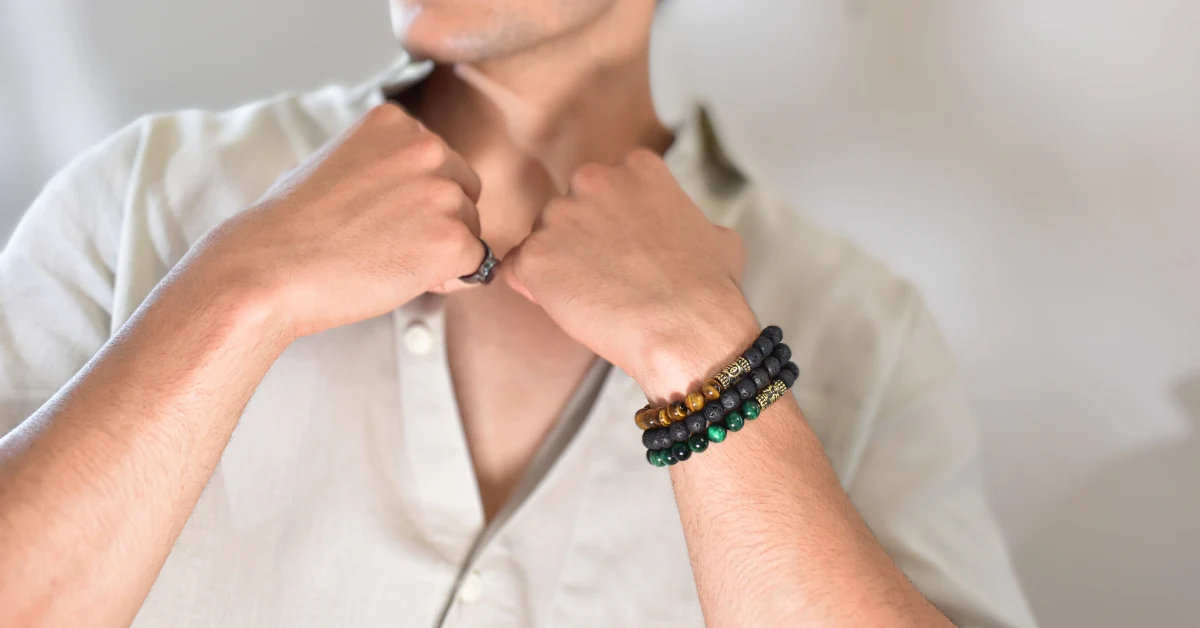
Why Crystal Bracelets Are Becoming a Daily Wellness Habit in 2026
January 2026 feels like the month of small promises. Less “new year, new me,” more tiny routines you can repeat without thinking. That’s where crystal bracelets fit in. They’re simple, wearable, and always close enough to notice when your mind starts to race.{Why Crystal Bracelets Are Becoming a Daily Wellness Habit in 2026 }
A bracelet also feels personal in a way a checklist doesn’t. You choose it, you touch it, you see it all day. For many people, crystals are a tool for mindfulness, comfort, and intention, even though scientific proof for “energy” claims is limited.
This post explains why crystal bracelets are turning into a daily wellness habit, what people say they get from them (and what might actually be happening), and how to try mindfulness jewelry in a grounded, safe way.
Why crystal bracelets fit the 2026 wellness mindset
Wellness trends tend to split into two camps: big plans that look great on paper, and tiny actions that survive real life. In 2026, more people are choosing the second. A daily wellness habit has to be easy, portable, and forgiving when your day goes sideways.
Crystal bracelets check those boxes. You don’t need a class, an app, or a special time slot. You just put it on. That makes it a natural match for intention setting and light, everyday mindfulness. It’s also why “mindfulness jewelry” and “crystal bracelets” keep popping up in searches, people want a calming anchor that doesn’t demand much effort.
There’s also a style factor that matters more than people admit. A bracelet doesn’t shout “I’m doing self-care.” It looks like jewelry. That lowers the barrier to using it at work, at school drop-off, or in a crowded subway.
Micro habits beat big plans, and bracelets are easy to repeat
Most people don’t fail at wellness because they don’t care. They fail because the plan is too heavy. Micro habits work because they’re small enough to repeat, and repetition is what turns a nice idea into a daily wellness habit.
A bracelet creates a built-in cue. The moment you clasp it, you can ask a quick question: “How do I want to feel today?” That’s the whole practice.
A few real-life examples:
- On a morning commute, sliding the bracelet on becomes a two-breath pause before the day starts.
- During the school run, it’s a reminder to slow your voice and keep things simple.
- When you start work, you touch the beads once, set one intention, and open your inbox with a steadier head.
It’s habit stacking, but it doesn’t feel like homework.
A screen-heavy life is pushing people toward touch-based calm
A lot of daily stress in 2026 isn’t dramatic. It’s constant. Notifications, meetings, group chats, and news alerts all day long. People are hungry for small, physical ways to come back to the present.
That’s where a bracelet earns its keep. It’s touch-based. You can feel it without anyone noticing, which makes it a private cue to pause. {Why Crystal Bracelets Are Becoming a Daily Wellness Habit in 2026} No promises, no miracles, just a reminder that you have a body, not only a brain.
Try a simple grounding practice the next time you catch yourself spiraling:
Hold one bead between your fingers. Take one slow breath. Then name five things you can see around you. It’s basic, but it works as a reset for many people. The bracelet isn’t the cure, it’s the prompt.
What people say crystal bracelets do for them, and what’s actually happening
Ask ten bracelet wearers why they love theirs, and you’ll get ten answers. Some talk about calm. Some say it helps them focus. Others like the feeling of protection or confidence. The common thread is not a lab result, it’s the experience of having a steady reminder on the wrist.
A clear note matters here: crystals are not a medical treatment, and they don’t replace care for anxiety, depression, trauma, or physical illness. If you’re struggling, you deserve real support from qualified professionals. Still, personal rituals can be meaningful, and they can shape how you move through your day.
What’s “actually happening” for many people is a mix of attention, meaning, and routine. When you decide a bracelet stands for patience, you’re more likely to notice moments when patience is needed. When you touch it before a hard conversation, you give yourself a beat to respond instead of react.
That’s not silly. It’s human.
Intention setting, placebo effect, or both, the habit can still help
Intention setting is choosing a simple way you want to show up today, then acting like that version of you is already available. It’s less “manifesting,” more “steering.”
The placebo effect is your brain responding to belief and ritual. If a bracelet makes you feel supported, your body can relax a little. You may breathe slower. You may interrupt a negative loop sooner. That can support mood and focus.
It still doesn’t replace medical care, and it won’t solve chronic stress by itself. But as a daily wellness habit, it can be a small nudge in a better direction.
A useful example intention: “Stay patient today.” Not perfect, not saintly, just patient.
Common crystals people choose, and the simple meanings attached to them
Meanings vary by culture and tradition, and none are guaranteed. Still, many people like having a simple story attached to what they wear. Here are a few popular choices for crystal bracelets and the traditional meanings people often assign:
- Rose quartz: love, self-kindness
- Amethyst: calm, clear thinking
- Citrine: confidence, optimism
- Black tourmaline: grounding, feeling protected
- Clear quartz: clarity, “amplifying” intentions
- Tiger’s eye: courage, steady confidence
- Aventurine: luck, growth
If one stone speaks to you, that’s enough. The point is the reminder, not the label.
How to make a crystal bracelet a daily habit without falling for hype
If you want crystal bracelets to support mindfulness, keep the approach practical. Think of the bracelet like a sticky note you can’t lose. It won’t do the work for you, but it can point you back to the work you already know helps, breathing, pausing, and choosing your next step.
Start small. One bracelet. One focus. One daily moment. When people buy five at once, the meaning gets fuzzy and the habit drops off.
Also be picky about comfort. If it pinches, pulls hair, or feels tight, you won’t wear it. The best daily wellness habit is the one you don’t fight.
Safety matters too. Watch for skin irritation from metal parts, don’t let kids play with small beads (choking risk), and check elastic cords for wear so beads don’t scatter. And if you’re using crystals as a substitute for medical advice, it’s time to reset your plan.
Pick one goal, choose one bracelet, and tie it to a daily moment
A simple mini plan:
- Pick a feeling: calm, focus, confidence, patience.
- Pick one bracelet that reminds you of it (by color, texture, or traditional meaning).
- Pair it with a trigger: after your shower, with coffee, or when you open your laptop.
Then use this 20-second bracelet check:
Breathe in. Breathe out.
Name your intention out loud or in your head.
Choose one small action that matches it (send one kind text, stand up and stretch, drink water before more coffee).
Short is the point. You’re training a response, not performing a ritual.
Buying and care basics: real stones, comfortable fit, ethical sellers
Crystal jewelry is full of vague listings, so use a quick filter before you buy:
- Look for clear product details (stone name, bead size, bracelet length, cord type).
- Prefer listings with real photos, including reviews with photos.
- Check the return policy and sizing guidance.
- Notice wording like “natural stone,” “dyed,” “glass,” or “reconstituted.” Plenty of people still enjoy dyed or blended materials, just don’t pay premium prices for mystery beads.
- Ask sellers about sourcing and labor. Ethical sourcing is hard to verify, but it’s still a fair question.
Basic care helps your bracelet last. Wipe beads with a soft cloth, avoid soaking elastic cords, and store bracelets away from direct sunlight if the color seems to fade over time.
Conclusion
Crystal bracelets are becoming a daily wellness habit in 2026 because they match how people actually live. They support micro habits, offer a tactile break from screen stress, and make intention setting feel doable on a busy Tuesday. The bracelet isn’t magic, it’s a reminder you can touch.
If you’re curious, try one bracelet for seven days. Pick one intention, wear it daily, and track how often you paused or reset. The result you’re looking for might be quieter than you expect, and that’s usually the point.
Follow us on Instagram @nirvanahealingessentials for daily crystal tips and inspiration.